The Tata Sierra old model is making headlines again, and there's a good reason why. With Tata Motors launching the all-new Sierra in November 2025, automotive enthusiasts across India are rediscovering the legendary original that first rolled out in 1991. This nostalgic wave has sparked renewed interest in understanding what made the old Tata Sierra such an iconic vehicle in Indian automotive history.
Why Everyone's Searching for the Tata Sierra Old Model Now
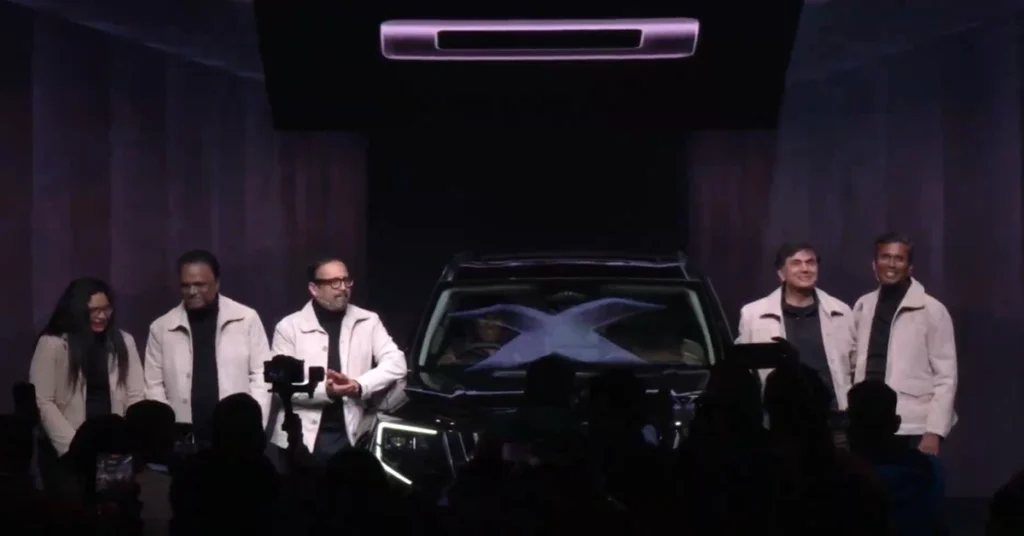
The buzz around the Tata Sierra old model isn't coincidental. Tata Motors has just launched the 2025 Sierra at an introductory price starting from Rs 11.49 lakh, marking the return of this legendary nameplate after more than two decades. The new model pays homage to its predecessor while incorporating modern technology, which has naturally led people to look back at the original that started it all.
The Birth of India's First Indigenous SUV
Back in 1991, when India's roads were dominated by hatchbacks like the Maruti 800, Tata Motors took a bold leap. The company, then primarily known for commercial vehicles, decided to venture into the passenger SUV segment. The result was the Tata Sierra old model, a vehicle that would go down in history as India's first indigenous sport utility vehicle.
The old Tata Sierra was built on Tata's X2 platform, which it shared with the Tata Telcoline pickup truck. However, Sierra wasn't just a closed version of a pickup. It featured a shortened wheelbase of 2.4 meters and was designed specifically for Indian road conditions, capable of handling everything from smooth highways to rough, uneven terrain.
The Iconic Design That Defined a Generation
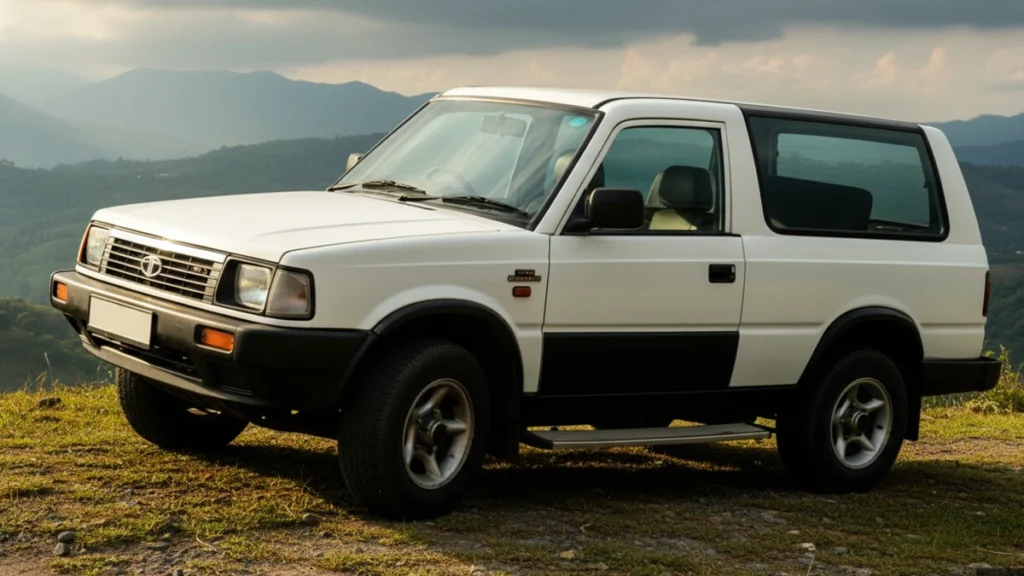
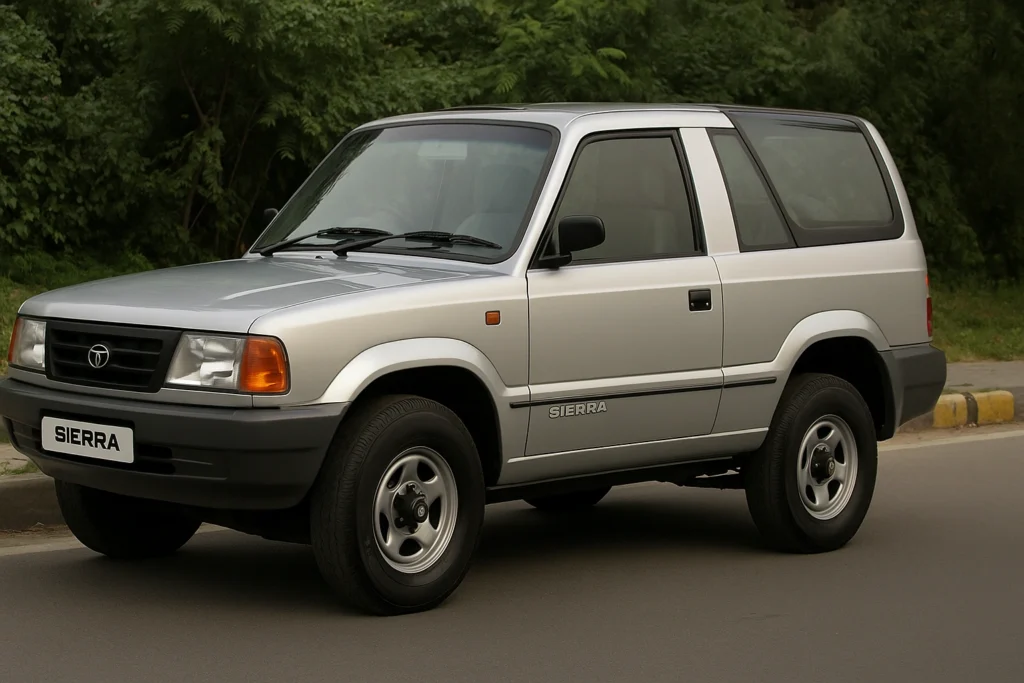
What truly set the Tata Sierra old model apart was its distinctive three-door design. At a time when most Indian vehicles looked conventional and boring, Sierra stood out with its bold, boxy silhouette. The most striking feature was undoubtedly the expansive Alpine glass roof at the rear, creating a greenhouse effect that flooded the cabin with natural light.
The exterior featured body-mounted tricolor tail lamps, black-bezeled headlamps with amber turn indicators, and a distinctive "cheese grater" front grille with the circular Tata insignia. The spare wheel was externally mounted on the rear door, covered with a stylish fabric cover bearing the Tata Sierra badge. This design element became so iconic that it's referenced in the 2025 model's branding placement.
Groundbreaking Features of the Old Tata Sierra
For 1991, the Tata Sierra old model was remarkably advanced. It became the first Indian vehicle to offer several features that are now considered standard but were revolutionary at the time:
Premium Amenities
- Electric power windows (a first in India)
- Air conditioning
- Adjustable steering wheel
- Tachometer
- Rear window demister as standard equipment
These features might seem basic today, but in early 1990s India, they positioned Sierra as a genuinely premium offering. The cabin was designed to be more refined than anything else Tata had produced, with improved soundproofing that made long journeys comfortable.
Engine and Performance Specifications
The old Tata Sierra initially came with a naturally aspirated 2.0-liter diesel engine producing around 68 horsepower. While this might sound modest by today's standards, it was adequate for the vehicle's purpose and the driving conditions of that era. The engine was paired with a G76 5-speed manual transmission.
Later in its production run, Tata addressed performance concerns by introducing the Sierra Turbo variant. This turbocharged version of the 2.0-liter diesel engine boosted power output to approximately 90 horsepower, transforming the driving experience and making the Sierra genuinely enjoyable on highways. The Turbo variant became highly sought after and featured distinctive badging, alloy wheels, and subtle styling enhancements.
The Tata Sierra old model was primarily a rear-wheel-drive SUV, though a four-wheel-drive option was also available for those seeking enhanced off-road capability. This versatility made it suitable for adventure enthusiasts who wanted to explore beyond paved roads.
Special Editions and Variants
Throughout its production life from 1991 to 2003, several special variants of the old Tata Sierra were introduced:
The Moonraker Edition
Perhaps the rarest and most coveted variant was the "Moonraker," which featured a removable roof panel above the front seats. This created a quasi-convertible experience that was unique in the Indian market. Surviving examples of this variant are now highly prized by collectors and command premium prices.
Sierra Storm Racing Variant
For motorsport enthusiasts, Tata developed the Sierra Storm, a heavily modified version specifically for rallying. These competition versions featured stripped interiors, roll cages, upgraded suspension systems, and engine modifications that showcased the platform's true potential. The Sierra Storm competed successfully in Indian rallies throughout the 1990s.
International Variants
The Tata Sierra old model wasn't limited to India. In European markets, particularly Spain, France, Germany, and Italy, it was sold under various names including Tata Sport, Tata Telcosport, and Tata Grand Telcosport. The European versions typically came with a 2.0-liter Euro 2 diesel engine, with the turbodiesel variant added in 1998.
Living with the Old Tata Sierra
For those who owned and drove the old Tata Sierra, the experience was memorable. The high seating position provided excellent visibility, while the generous glass area created an airy, open feeling inside the cabin. The vehicle's rugged construction meant it could handle rough roads with confidence, though the ride quality was admittedly firm by modern standards.
Fuel efficiency was reasonable for the era, with owners reporting anywhere from 11 to 14 kilometers per liter depending on driving conditions. City driving typically yielded around 12 kmpl, while highway runs could achieve up to 14 kmpl. The Turbo variant, despite its enhanced performance, maintained similar fuel economy figures.
Maintenance and Parts Availability
One aspect that current collectors and enthusiasts should know: maintaining an old Tata Sierra requires dedication. Since production ended in 2003, finding original parts has become increasingly challenging. However, the Sierra shared many components with other Tata vehicles like the Sumo, which helps with parts availability for basic maintenance items.
Owners who purchased Sierra models report that while basic servicing can be done at Tata service centers, specialized components may require more effort to source. The cost of maintenance is higher than contemporary vehicles, but for those passionate about preserving this piece of automotive history, it's a worthwhile investment.
Why Production Ended
Despite its innovative design and pioneering features, the Tata Sierra old model never achieved massive commercial success. Over its 12-year production run, approximately 20,000 units were sold. The high price point of around Rs 5 lakhs made it accessible only to affluent buyers, limiting its market penetration.
In 2000, Tata introduced the Safari, which proved to be a more commercially viable SUV with better styling, more powerful engines, and improved refinement. The Safari's success essentially sealed Sierra's fate, leading to its discontinuation in 2003.
The Cult Following and Restoration Scene
Today, the old Tata Sierra has experienced a renaissance among automotive enthusiasts. A dedicated community of owners actively maintains, restores, and even modifies surviving examples. Some enthusiasts have created impressive resto-mods, incorporating modern engines, updated suspension systems, and contemporary amenities while preserving the iconic exterior design.
The Sierra's cult status has only grown stronger over the years. Its distinctive appearance, pioneering spirit, and historical significance as India's first indigenous SUV have cemented its place in automotive folklore. Classic car shows and vintage rallies often feature well-maintained Sierra examples, drawing crowds of admirers.
Legacy and Historical Significance
The true achievement of the Tata Sierra old model wasn't measured in sales figures but in what it represented. It demonstrated that Indian manufacturers could conceive, develop, and produce distinctive, contemporary vehicles that didn't merely copy international designs. Sierra proved that Indian automotive engineering had the capability to create something genuinely unique.
The old Sierra paved the way for future Tata SUVs, including the hugely successful Safari, which went on to become one of India's best-selling SUVs for many years. The lessons learned from Sierra's development influenced Tata's entire approach to passenger vehicle design and engineering.
Comparing Old vs New: A Tale of Two Eras
The 2025 Sierra pays beautiful homage to its predecessor while being thoroughly modern. The new model retains the boxy silhouette and the distinctive glasshouse design that made the original iconic, but updates everything else for contemporary expectations.
Where the old Tata Sierra had a 2.0-liter diesel producing 68-90 horsepower, the 2025 version offers multiple engine options including a powerful new 1.5-liter turbocharged petrol engine producing 160 horsepower, a naturally aspirated 1.5-liter petrol, and a 1.5-liter diesel. The new model also features a triple-screen dashboard, Level 2 ADAS, panoramic sunroof, and advanced connectivity features that would have been science fiction in 1991.
The three-door design has evolved into a conventional five-door layout for practicality, though the overall design language clearly references the original. The externally-mounted spare wheel is gone, but the spirit of adventure and the distinctive silhouette remain.
Investment and Collectability
For those interested in classic car collecting, well-maintained examples of the Tata Sierra old model are becoming increasingly valuable. The rarest variants, particularly the Moonraker with its removable roof panel and the Turbo editions, command significant premiums. However, finding a Sierra in genuinely good condition requires patience and thorough inspection.
Potential buyers should be prepared for the realities of owning a 20-30 year old vehicle. Rust can be an issue, particularly in coastal areas or regions with heavy rainfall. The mechanicals are generally robust, but worn-out components may need replacement. A thorough pre-purchase inspection by a knowledgeable mechanic is essential.
The Sierra's Cultural Impact
Beyond its technical specifications and features, the old Tata Sierra holds a special place in Indian popular culture. For a generation of Indians who grew up in the 1990s, seeing a Sierra on the road was an event. It represented aspiration, adventure, and a distinctly Indian approach to automotive design.
The vehicle appeared in numerous Indian films and television shows of the era, further cementing its status as a cultural icon. For many, it was the first time they saw an Indian-made vehicle that looked genuinely different and exciting, not just a licensed copy of a foreign design.
Looking Forward While Honoring the Past
The launch of the 2025 Sierra demonstrates that Tata Motors understands the emotional connection people have with the original. By reviving the nameplate after more than two decades, Tata is betting that the legend of the old Tata Sierra will help the new model find success in today's competitive SUV market.
Early response to the new Sierra has been overwhelmingly positive, with many praising Tata for honoring the original's design while creating something thoroughly modern. Bookings for the new model begin on December 16, 2025, with deliveries starting January 15, 2026.
Final Thoughts
The Tata Sierra old model represents a bold chapter in Indian automotive history. It was a vehicle ahead of its time, offering features and capabilities that were genuinely pioneering for 1991 India. While it may not have achieved commercial blockbuster status, its historical significance and cultural impact are undeniable.
Today, as interest in the old Sierra surges thanks to the new model's launch, it's the perfect time to appreciate what Tata achieved over three decades ago. The original Sierra proved that Indian engineering could create something unique and exciting, paving the way for the thriving Indian automotive industry we see today.
Whether you're researching the old Tata Sierra out of nostalgia, considering purchasing a classic example, or simply curious about automotive history, this pioneering SUV deserves recognition as a genuine Indian automotive legend. Its bold design, innovative features, and pioneering spirit continue to inspire, proving that true legends never fade—they just get reimagined for new generations.
Visit TheCarTimes.com to read more about Tata Sierra.
Want to be among the first owners? Register your interest here on the official Tata Motors website.