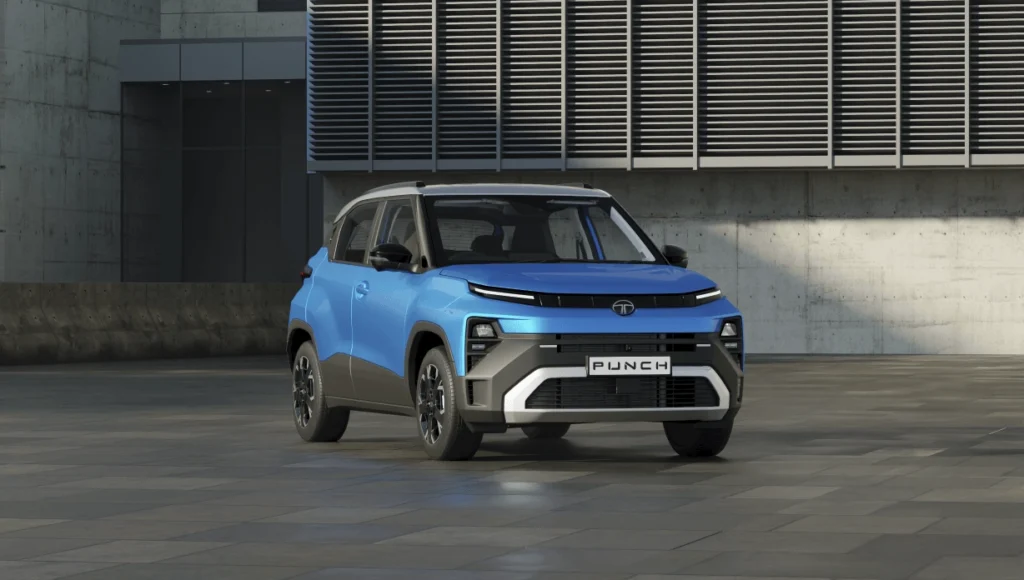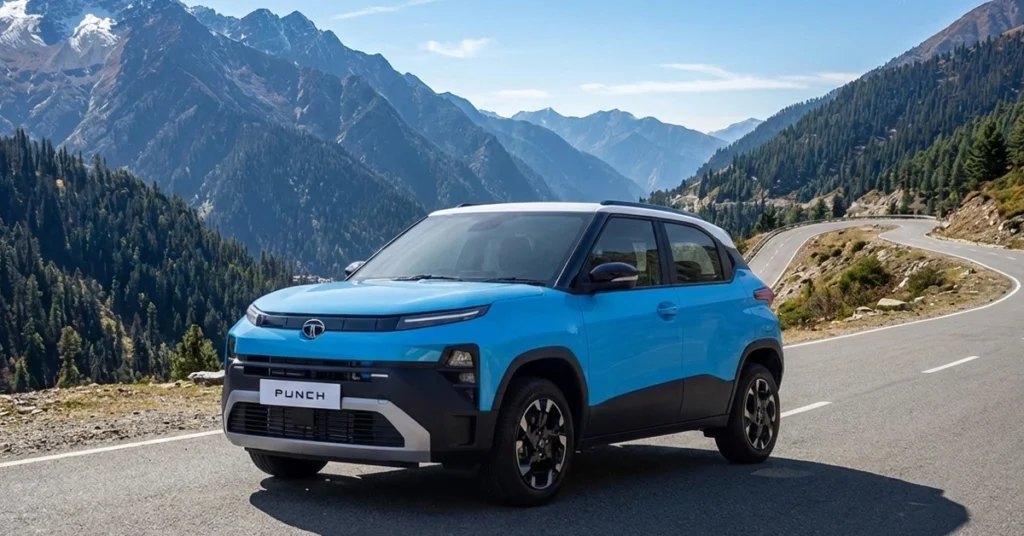
Tata Motors has officially teased its much-anticipated Punch facelift, confirming a January 13, 2026 launch that promises to redefine what buyers expect from India's most affordable compact SUV. The Tata Punch front view has undergone a dramatic transformation, drawing inspiration from the electric Punch EV while maintaining the rugged, upright stance that made the original an instant hit. With sharper LED elements, a redesigned bumper, and aggressive styling cues, the refreshed fascia signals Tata's intent to keep this segment-leading micro-SUV ahead of intensifying competition.
Understanding The New Front Design Philosophy
The 2026 facelift represents the first major visual update since the Punch debuted in October 2021. Tata's design team faced a delicate challenge: modernize the appearance without alienating the 180,000-plus buyers who chose the original. The solution borrows heavily from the Punch EV's futuristic aesthetic while deliberately stopping short of a full transformation, ensuring the ICE and EV variants maintain distinct identities.
At first glance, the new fascia appears significantly more aggressive. The headlamp architecture shifts to a split-level arrangement that's become a Tata signature across its SUV lineup. Slim LED daytime running lamps stretch horizontally across the upper portion of the front, connected by a gloss black trim piece that visually widens the face. These DRLs feature a sharper, more angular profile compared to the softer curves of the outgoing model, creating an immediate sense of modernity.
Below the DRLs sits a redesigned grille featuring horizontal slats rather than the current honeycomb mesh. This slatted treatment aligns with design language seen on the Harrier, Safari, and Nexon, creating stronger family resemblance across Tata's SUV portfolio. The grille itself appears slightly more pronounced, pushing forward to enhance the aggressive stance buyers want from their compact SUVs.
Dissecting The Tata Punch Front View: Element By Element
The main headlamp units relocate to the bumper in true Tata fashion, following the split-level pattern pioneered by the Nexon. These vertically oriented LED projector lamps nestle into redesigned housing with cleaner lines and more sophisticated internal graphics. The vertical orientation not only looks contemporary but also improves illumination spread on Indian roads, providing better visibility around corners and through heavy traffic.
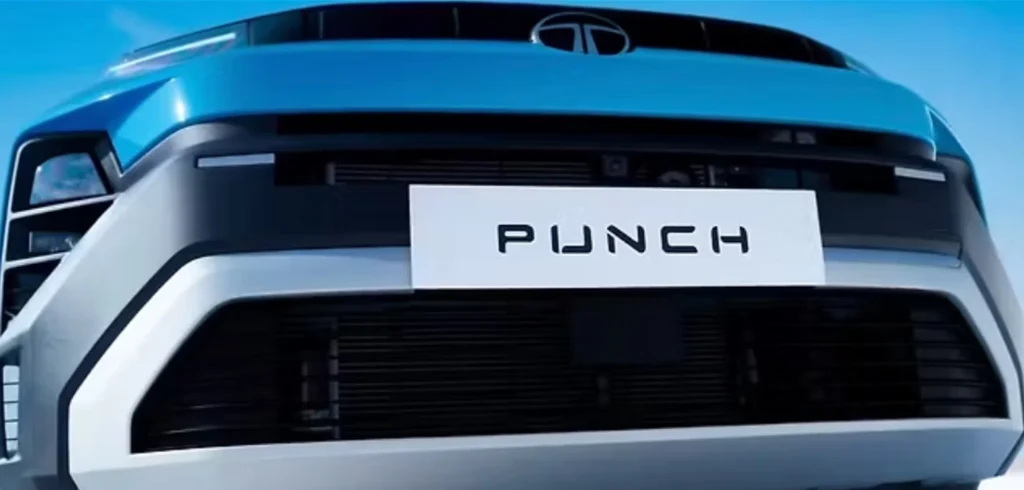
The lower bumper receives the most dramatic transformation. A substantially larger air dam dominates the central section, flanked by pronounced air intake slits in the upper corners. These intakes aren't purely decorative—they channel air to the engine bay while contributing to the muscular appearance buyers associate with capable SUVs. Air curtains integrated into the lower corners help manage airflow around the front wheels, potentially improving aerodynamic efficiency at highway speeds.
Silver or piano black cladding (depending on variant) surrounds the air dam, creating visual separation from the bumper's upper section. A faux aluminum skid plate anchors the bottom, reinforcing the Punch's adventure-ready persona even if most examples will never venture beyond city limits. This skid plate appears more substantial than the current design, with sharper edges that complement the overall angular theme.
The teaser reveals a new shade of blue—lighter and more vibrant than the existing Tornado Blue—that showcases the redesigned contours particularly well. The way light plays across the sculptured surfaces suggests careful attention to how the vehicle will photograph in showrooms and on social media, increasingly important factors in purchase decisions.
Technology Integration In The Front Fascia
Closer inspection of official teasers reveals a small camera lens positioned within the front grille area. This confirms the inclusion of a 360-degree surround-view camera system, a feature previously unavailable on the Punch and still rare in this price segment. The front-facing camera integrates seamlessly into the design rather than appearing as an obvious afterthought, demonstrating Tata's improving execution of tech-heavy features.
The positioning of this camera provides optimal perspective for parking assistance, particularly useful given how the Punch's high bonnet line can limit forward visibility in tight spaces. When combined with rear, left, and right cameras, the system offers a bird's-eye view that simplifies parallel parking and navigating crowded urban environments where the Punch typically operates.
LED projector headlamps with integrated cornering function appear standard on higher variants, improving nighttime safety. These lamps adjust beam pattern based on steering input, illuminating the inside of corners as you turn. For a vehicle targeting first-time car buyers and families, such practical safety features matter more than flashy styling gimmicks.

How The Front View Compares With Competitors
The refreshed front design positions the Punch more aggressively against established rivals. The Hyundai Exter, currently the Punch's closest competitor in terms of pricing and positioning, employs a parametric jewel grille and squared-off LED elements that create a premium appearance. The new Punch counters with a sportier, more dynamic look that should appeal to younger buyers seeking visual excitement over conservative elegance.
Maruti Suzuki's Fronx takes a coupe-SUV approach with a swept-back design that prioritizes style. The Punch's upright front view offers the opposite philosophy—honest SUV proportions with generous ground clearance visible from any angle. This vertical orientation provides better outward visibility and a commanding driving position that many Indian buyers specifically seek.
The Nissan Magnite and Renault Kiger, sharing the same platform, feature complex front fascias with multiple character lines and intricate lighting elements. The new Punch simplifies its expression, relying on cleaner surfaces and more deliberate proportions. This restraint may age better than busier designs that can look dated as trends evolve.
Citroen's C3 pursues minimalism with rounded forms and quirky character. The Punch facelift's sharper angles and purposeful stance represent a different approach—one that research suggests resonates more strongly with buyers in the ₹6-10 lakh segment who want their vehicles to project capability and modernity.
Interior Updates Visible Through The Windscreen
While the focus keyword centers on exterior appearance, the windscreen offers glimpses of significant cabin upgrades that complement the refreshed front design. The most noticeable change involves a new two-spoke steering wheel replacing the current three-spoke unit. This flat-bottom steering features an illuminated Tata logo, matching designs introduced on the Curvv and updated Nexon.
Behind the steering wheel sits a larger 10.25-inch digital instrument cluster on top variants, replacing the semi-digital 7-inch unit in the current model. This fully digital display provides customizable layouts for trip information, navigation prompts, and vehicle diagnostics—features buyers increasingly expect even in affordable segments. Lower variants will likely retain a 7-inch semi-digital cluster to maintain accessible pricing.
The dashboard receives a comprehensive redesign with new textures, colors, and trim materials visible through the windscreen. The climate control panel adopts a more modern layout, potentially incorporating haptic touch controls on top variants. These interior improvements work in concert with the aggressive exterior to deliver a complete upgrade experience rather than just a superficial facelift.
Expected Variant Lineup And Front-End Differentiation
Tata will likely continue the current variant structure with slight modifications: Pure, Adventure, Accomplished, Creative, and Creative Plus (or similar naming). Lower variants will receive the updated front design but with cost-effective lighting elements—halogen or basic LED headlamps instead of projectors, standard steel wheels with covers rather than alloys, and simplified bumper treatments with less chrome or silver accents.
Mid-level variants should offer projector LED headlamps, fog lamps with cornering function, and more prominent chrome or piano black detailing around the grille and air dam. These trims strike the sweet spot for most buyers, delivering the complete visual package without top-variant pricing.
Top-spec models will showcase the full design potential: intricate alloy wheel designs visible from the front quarter view, comprehensive LED lighting including sequential turn signals, 360-degree camera integration, and premium paint finishes that highlight the sculptured surfaces. The Creative Plus variant might also introduce exclusive color options that won't appear on lower trims.
CNG variants will maintain unique badging visible on the front fenders but should otherwise mirror their petrol counterparts in design. Tata's twin-cylinder CNG technology preserves boot space, allowing CNG buyers to enjoy the same visual appeal without obvious compromises.
Performance Hardware Behind The New Face
The refreshed front hides familiar mechanical components. The 1.2-liter Revotron petrol engine continues, producing approximately 88 horsepower and 115Nm of torque. This three-cylinder naturally aspirated unit prioritizes fuel efficiency and refinement over outright performance, perfectly matching the Punch's urban mission.
Recent teasers confirm the addition of a turbocharged petrol engine for the first time—a significant mechanical upgrade that complements the aggressive new styling. While Tata hasn't revealed power figures, expect around 100-110 horsepower from this turbo unit, providing substantially more mid-range punch for highway overtaking and hill driving. A six-speed manual transmission will pair with this engine, offering a sportier driving experience for enthusiasts.
The naturally aspirated petrol continues with five-speed manual and five-speed AMT options, covering buyers prioritizing economy and convenience. The AMT's creep function and smart shift logic make city driving less taxing, particularly in India's notorious traffic conditions.
CNG variants retain the 1.2-liter engine in bi-fuel configuration, generating approximately 73.5 horsepower and 103Nm on gas. Tata's twin-cylinder setup places smaller CNG tanks under the floor, preserving 189 liters of boot space—a crucial advantage over competitors whose CNG options sacrifice cargo capacity. The CNG variant pairs exclusively with a five-speed manual transmission.
Safety Features Supporting The Bold Front Design
The prominent front structure houses Tata's proven safety architecture that earned the original Punch a five-star Global NCAP rating—the highest score in its segment. The body structure utilizes high-strength steel in critical areas, creating a rigid safety cell that protects occupants during frontal impacts while allowing controlled deformation in bumper zones to absorb crash energy.
Standard safety equipment across all variants includes dual front airbags, ABS with EBD, rear parking sensors, seat belt reminders for all occupants, and ISOFIX child seat anchors. These basics establish a foundation that many competitors still fail to match across their entire range.
The facelift introduces six airbags as standard—a significant upgrade from the current dual airbag setup on lower variants. Side and curtain airbags provide crucial protection during T-bone collisions and rollovers, scenarios where Indian roads' unpredictable conditions can quickly turn dangerous. Electronic stability control (ESC), hill-start assist, and traction control round out the active safety suite.
Top variants gain Level 2 ADAS features, making the Punch the most affordable SUV in India to offer such technology. While full details await the official launch, expect forward collision warning, automatic emergency braking, lane departure warning, and adaptive cruise control. These systems rely on the front-mounted camera and radar sensors discretely integrated into the new front fascia.
The 360-degree camera system leverages four wide-angle cameras positioned around the vehicle, with the front camera providing the critical forward view in tight parking situations. The system generates a top-down composite view on the central touchscreen, eliminating blind spots and making parking substantially easier for nervous drivers.
Also Read: https://thecartimes.com/kia/kia-seltos-on-road-price/
Color Options That Highlight The Front Design
Tata typically offers the Punch in seven to eight shades, balancing bold colors that young buyers prefer with conservative options for traditional customers. The facelift introduces at least two new colors based on teaser imagery—a lighter blue shade (possibly named Arctic Blue or Crystal Blue) and potentially a matte finish option for top variants.
Dark colors like Daytona Grey, Mystery Grey, and Oberon Black accentuate the Punch's sharp character lines and angular surfaces, creating dramatic shadows that emphasize the aggressive stance. These shades photograph beautifully but show dust and minor scratches more readily than lighter colors—a consideration for buyers in polluted urban areas.
Bright options such as Calypso Red, Foliage Green, and the new blue shade appeal to buyers wanting their vehicles to stand out. These colors highlight the sculptured surfaces on the bonnet and bumper, making design details more visible in direct sunlight. They also improve visibility to other road users, potentially reducing accident risk.
Dual-tone options pairing a colored body with black roof, pillars, and mirror caps will continue on top variants. These combinations enhance the SUV's proportions, making it appear lower and wider—desirable traits in a segment where visual presence matters. The black roof also stays cooler in India's harsh summers compared to body-colored alternatives.
Technology Features Accessible From The Front
Approaching the Punch facelift, owners will interact with several tech features integrated into the front design. Automatic headlamps eliminate the need to manually switch lights on at dusk or in tunnels, while automatic wipers detect rainfall and adjust wiper speed accordingly. These convenience features, standard on Creative Plus variants, reduce driver workload during daily commutes.
The digital key function allows smartphone-based vehicle access, eliminating traditional key fobs. Approaching the vehicle with your phone, the system recognizes you and unlocks the doors automatically. Starting the engine requires simply pressing the push-button start, with the phone serving as the authentication device. This technology integrates with the front-mounted antennas discretely positioned within the bumper area.
Wireless charging pads positioned in the center console complement the digital key feature, ensuring your phone stays powered throughout the journey. The system includes cooling fans to prevent overheating—a thoughtful detail for India's climate where wireless charging can cause phones to throttle performance.
Connected car features accessible through the UVO app allow remote functions like pre-cooling the cabin, locking/unlocking doors, and checking vehicle status—all controlled from your phone before you even reach the vehicle. These features leverage embedded SIM technology and antennas integrated into the vehicle's front structure.
Price Expectations And Value Proposition
The refreshed front design comes with a modest price increase reflecting the substantial feature additions. Base Pure variants should start around ₹6 lakh (ex-showroom), representing approximately ₹40,000-50,000 over the current entry price. This positions the Punch slightly above the Hyundai Exter's base variant but with significantly better safety credentials.
Mid-level Accomplished and Creative variants will likely span ₹7.5-9 lakh, delivering the complete design package with projector LEDs, alloy wheels, and key convenience features. This price band captures the majority of segment buyers seeking maximum value without top-variant pricing.
The range-topping Creative Plus with turbo-petrol engine, ADAS, 360-degree camera, ventilated seats, and digital instrumentation should peak around ₹10-10.5 lakh. While this represents a significant jump from the current top variant, the feature set matches what competitors charge ₹12-14 lakh to deliver.
CNG variants will command approximately ₹1-1.2 lakh premiums over equivalent petrol trims, placing entry-level CNG around ₹6.8-7 lakh and top-spec CNG near ₹9 lakh. With CNG prices remaining stable around ₹75-85 per kilogram nationally, the fuel savings justify the upfront cost for buyers covering 15,000+ kilometers annually.
Production And Availability Timeline
Tata confirms the January 13, 2026 launch date, with series production already underway at the Pune manufacturing facility. Initial deliveries should commence by late January or early February, prioritizing urban markets where the Punch historically performs strongest.
Bookings will open simultaneously with the launch, requiring token amounts around ₹21,000-25,000. Given the Punch's popularity and the substantial improvements in the facelift, expect healthy initial demand that could stretch delivery timelines to 4-6 weeks for common variants and 8-12 weeks for specific color-transmission combinations.
Tata's 620+ touchpoint network ensures widespread availability across metros, tier-2 cities, and larger towns. The brand's improving service reputation and comprehensive warranty coverage (three years/100,000 kilometers on ICE, eight years/160,000 kilometers on batteries for future EV variants) add confidence for first-time buyers.
Market Positioning Against The Competition
The refreshed front design directly addresses the Punch's primary weakness—increasingly dated appearance compared to newer rivals. The Hyundai Exter launched in July 2023 with fresh styling that quickly captured buyer attention. The Punch facelift reclaims visual leadership with a more dramatic transformation than Hyundai's conservative design language typically allows.
Maruti Suzuki discontinued the Ignis, removing one competitor, but the Fronx occupies similar pricing territory with a sportier image. The Punch counters with genuine SUV proportions, better ground clearance (189mm), and superior safety credentials—Fronx settled for a four-star NCAP rating compared to the Punch's five stars.
The Nissan Magnite and Renault Kiger offer compelling value with turbo-petrol options starting under ₹8 lakh. However, their Renault-Nissan platform lacks the refinement and quality feel of Tata's ALFA architecture. The Punch's cabin materials, NVH suppression, and overall fit-finish surpass the French-Japanese twins at equivalent price points.
Citroen's C3 targets buyers seeking European design and quirky character. Its sales volumes suggest this approach appeals to a niche rather than mainstream buyers. The Punch's broader appeal comes from balancing style with substance—it looks distinctive while delivering practical features, competitive pricing, and segment-leading safety.
Why The Front Design Matters
In India's image-conscious automotive market, visual appeal often outweighs objective measures like fuel economy or reliability. The Punch's refreshed front view addresses this reality, giving existing owners pride of ownership and attracting conquest buyers from competitor brands.
The aggressive fascia signals capability and modernity—attributes buyers increasingly demand even from affordable vehicles. Social media amplifies this effect, with photos of new purchases spreading across WhatsApp groups and Instagram feeds. A striking front view generates positive word-of-mouth that no advertising budget can match.
For Tata Motors, the facelift extends the Punch's product lifecycle at a crucial moment. With 180,000+ units sold since launch, the Punch has become a volume pillar for the brand. Maintaining momentum requires keeping the product fresh against relentless competition. The comprehensive visual update, combined with meaningful feature additions, should sustain strong sales through 2027-2028 when the next-generation model arrives.
The bold front design also elevates brand perception. Tata has worked diligently to shed its budget image, positioning as a value-leader offering premium features at accessible prices. The Punch facelift's sophisticated styling and tech integration reinforce this narrative, helping Tata attract aspirational buyers who might otherwise default to established brands.
Final Thoughts On The Reimagined Front View
The 2026 Tata Punch facelift represents thoughtful evolution rather than revolutionary change. The design team successfully modernized the fascia without alienating the existing customer base, a delicate balance that many facelifts fail to strike. The aggressive new front view projects confidence and capability while maintaining the approachable character that made the original a success.
For buyers evaluating options in the ₹6-10 lakh compact SUV segment, the refreshed Punch offers a compelling proposition. The bold styling satisfies emotional purchase triggers while the comprehensive safety features, practical interior, and proven reliability address rational considerations. Whether you're a first-time car buyer, a small family seeking affordable transportation, or an enthusiast wanting stylish urban transport, the new front design signals that the Punch remains a segment leader for good reasons.
As the January 13 launch approaches, expect Tata dealerships to experience strong footfall from curious buyers eager to see the transformation in person. The Tata Punch front view has evolved into something more aggressive, more contemporary, and more aligned with buyer aspirations—exactly what was needed to maintain the model's position at the top of India's micro-SUV segment.
Click here to go Tata official site for more details.