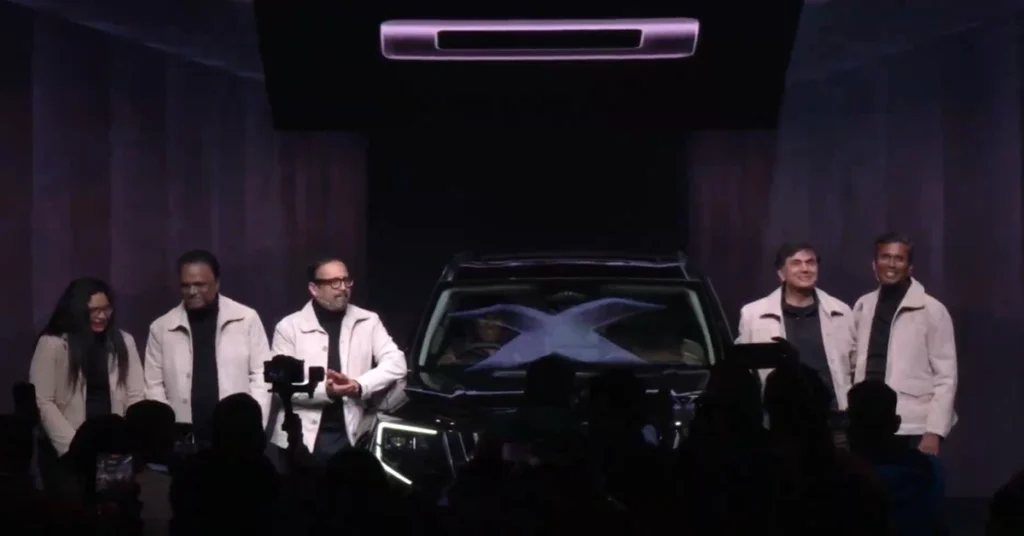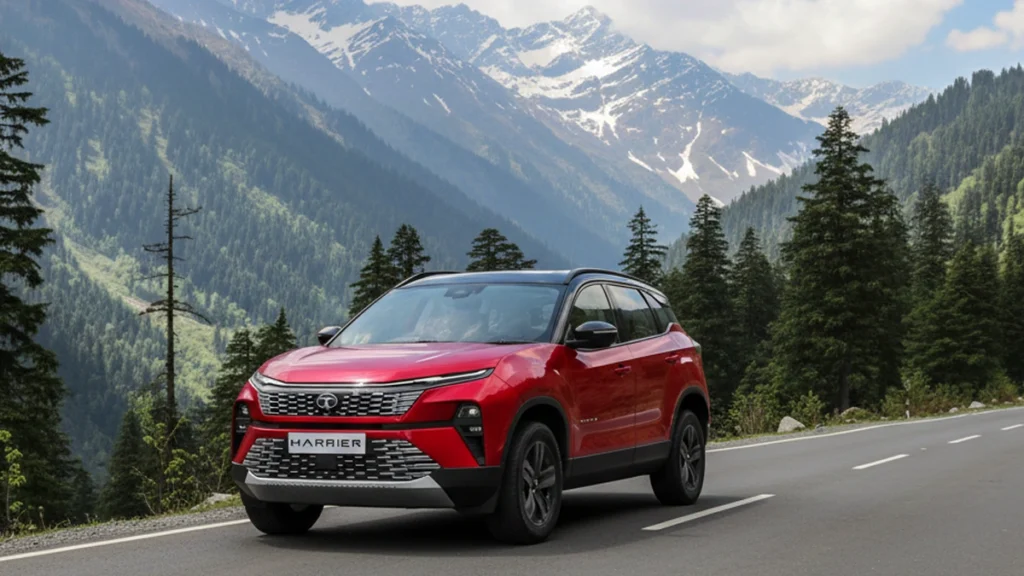
After years of anticipation, the Tata Harrier petrol finally makes its debut on December 9, 2025. This marks a watershed moment for one of India's most recognizable SUVs, which has been diesel-only since its 2019 launch. For buyers who avoided the Harrier because of its single fuel option, this changes everything.
The introduction isn't just about adding another engine choice. It represents Tata Motors' response to shifting market dynamics, tightening diesel restrictions in urban centers, and a growing preference for refined, city-friendly powertrains. With deliveries expected to begin by late December, the timing couldn't be better for year-end buyers.
The Engine That Changes Everything
Under the hood sits Tata's newly developed 1.5-liter TGDi (turbocharged gasoline direct injection) engine, codenamed Hyperion. This four-cylinder powerplant delivers 170 PS at 5,000 rpm and 280 Nm of torque between 2,000-3,500 rpm. First showcased at the 2023 Auto Expo and debuted in the recently launched Tata Sierra, this engine has been five years in development.
The Hyperion motor features direct fuel injection, an electronically controlled wastegate turbocharger, and integrated thermal management for improved efficiency and reduced emissions. It's BS6 Phase II compliant and can run on E20 ethanol-blended fuel, future-proofing it against upcoming regulatory changes.
Transmission options include a six-speed manual and a six-speed torque converter automatic. The torque converter choice, rather than a dual-clutch unit, prioritizes durability and smoothness over lightning-quick shifts—a sensible decision for Indian driving conditions.
What makes this engine special isn't just the numbers. Early reviews from media drives highlight significantly improved refinement compared to the diesel. The familiar diesel clatter is gone, replaced by a smoother, quieter operation that transforms the urban driving experience. Tata claims the Safari petrol achieves segment-best NVH levels at just 37.8 dB, with the Harrier expected to match this performance.
Pricing Strategy: Lower Entry, Broader Appeal
While official pricing arrives on launch day, industry estimates suggest the petrol Harrier will undercut diesel variants by approximately ₹1-1.5 lakh across corresponding trims. The base petrol variant is expected to start around ₹12.5-13 lakh ex-showroom, compared to the current diesel starting price of ₹14 lakh.
This pricing strategy isn't arbitrary. Petrol engines cost less to manufacture than modern diesel units, which require expensive emission control systems like diesel particulate filters and selective catalytic reduction units to meet BS6 Phase II norms. By passing some of these savings to consumers, Tata creates a new entry point for buyers stretching their budgets.
On-road prices will vary by city due to different tax structures, but the reduced base price makes the Harrier more accessible to first-time SUV buyers or families upgrading from compact vehicles. In markets like Delhi-NCR, where diesel vehicle registrations are capped at 10 years, the petrol option eliminates concerns about long-term ownership viability.
The top-spec automatic variants are expected to max out around ₹20 lakh ex-showroom, positioning the Harrier squarely against rivals like the Hyundai Creta, Kia Seltos, and Mahindra XUV700—all of which offer petrol powertrains.
Design and Features: Familiar Excellence
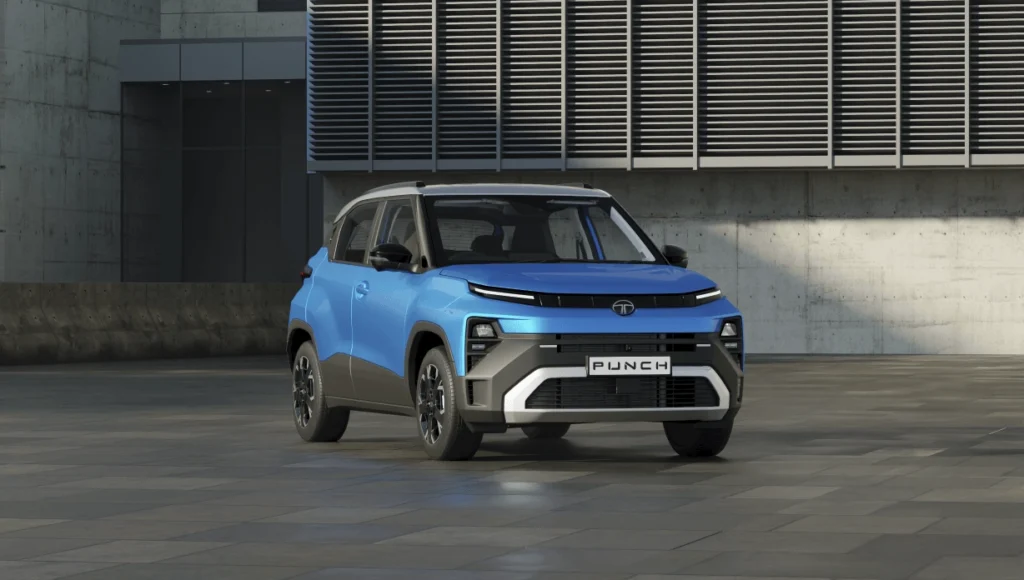
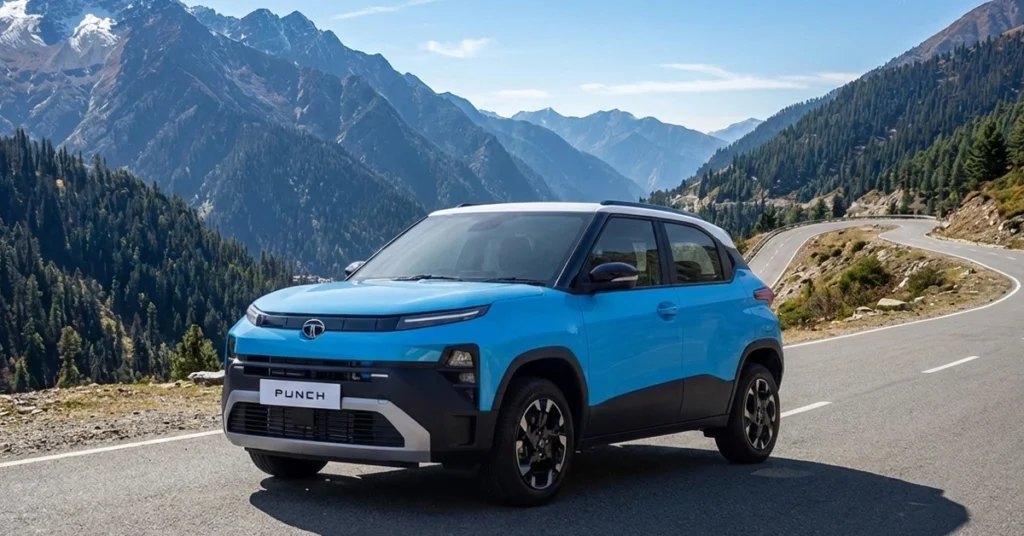
Don't expect a redesign. The petrol Harrier retains the same commanding road presence that made the original a head-turner. The muscular proportions, split LED daytime running lights, bold grille, and 19-inch alloy wheels on top variants remain unchanged. Tata knows the design works and saw no reason to tamper with success.
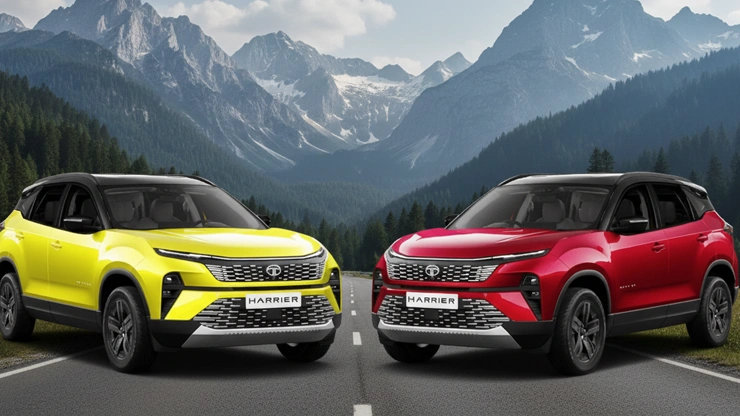
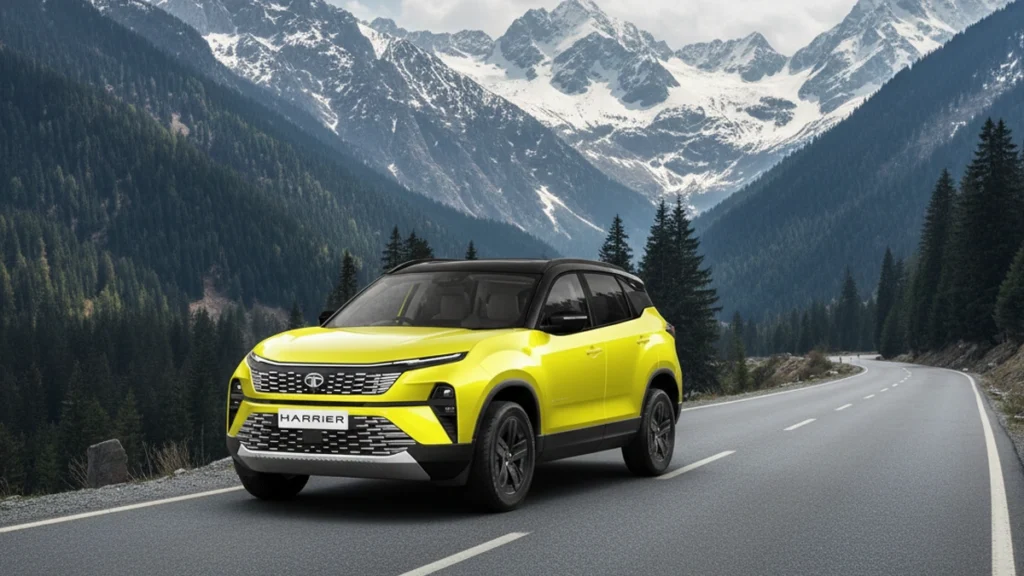
One new addition is the Nitro Crimson exterior color option, which joins the existing palette that includes popular shades like Sunlit Yellow and Oberon Black. Beyond minor badging changes to denote the petrol powertrain, the exterior stays true to the current model.
Inside, the cabin continues to offer the same spacious, premium experience. Key features include:
- 12.3-inch touchscreen infotainment system with wireless Android Auto and Apple CarPlay
- Voice-assisted panoramic sunroof with mood lighting
- Digital instrument cluster with multi-information display
- JBL premium sound system with 10 speakers and subwoofer
- Ventilated and powered front seats
- Ambient lighting
- Touch-based HVAC controls
- Powered and gesture-controlled tailgate
The Harrier petrol also gains new convenience features previously exclusive to higher variants. These include camera washers (particularly useful during monsoons), a digital inside rearview mirror that doubles as a dual-channel dashcam with loop recording, and enhanced ADAS (Advanced Driver Assistance Systems) features like lane-keep assist, blind-spot detection, and automatic emergency braking.
Safety remains a cornerstone. The Harrier continues to boast a 5-star Global NCAP rating—the highest adult safety score (33.05 out of 34) and child safety score (45 out of 49) ever achieved by an Indian vehicle. Seven airbags come standard, along with electronic stability control, traction control, hill-hold assist, and all-wheel disc brakes.
Built on the Omega architecture derived from Land Rover's D8 platform, the structural integrity and crash protection remain class-leading. This platform also contributes to the Harrier's confident highway manners and composed ride quality.
Performance and Driving Dynamics
The petrol powertrain fundamentally alters the Harrier's character. With reduced front-end weight compared to the heavier diesel engine, the steering feels lighter and more responsive, particularly in city traffic. Turn-in is sharper, and the SUV feels less nose-heavy through corners.
The 170 PS output matches the diesel's headline figure, but the delivery is different. The turbo-petrol provides a more linear power band with less lag off the line. The 280 Nm of torque, while slightly lower than the diesel's 350 Nm, arrives earlier and sustains through the mid-range, making overtakes confident without needing frequent downshifts.
Early media drive reports suggest 0-100 km/h acceleration comes in well under 10 seconds, impressive for an SUV weighing approximately 1,675 kg. The six-speed automatic transmission has been specifically tuned for responsive acceleration and relaxed highway cruising.
The suspension setup carries over from the diesel, continuing to strike an excellent balance between comfort and control. Broken roads are absorbed with composure, while body roll remains well-managed for a vehicle of this size and height. Quick lane changes feel stable rather than unsettling.
Where the petrol truly shines is in urban environments. The smoother power delivery, quieter operation, and lighter steering make stop-and-go traffic far less fatiguing. City dwellers who previously found the diesel too cumbersome will appreciate the transformation.
Fuel Efficiency: The Trade-off
Mileage is where the petrol pays a penalty for its refinement. While official ARAI figures haven't been released, realistic expectations based on the engine's characteristics and the vehicle's weight suggest:
- City driving: 10-12 km/l
- Highway driving: 14-15 km/l
- Combined real-world average: 13-14 km/l
Compare this to the diesel Harrier's claimed 16.8 km/l ARAI rating (real-world closer to 15-16 km/l), and the gap is evident. Turbocharged petrol engines, especially in heavier SUVs, prioritize performance and refinement over maximum fuel economy.
However, fuel costs tell only part of the story. For buyers with lower monthly running—say, under 1,000-1,200 km—the upfront savings on the purchase price can offset higher fuel bills for several years. Additionally, petrol engines avoid diesel-specific maintenance issues like DPF clogging, which commonly affects diesel SUVs driven primarily on short city trips.
The competitive context also matters. The Harrier petrol's expected mileage aligns with rivals like the MG Hector petrol (14.2 km/l) and Mahindra XUV700 petrol (13 km/l in real-world conditions). It trails the Hyundai Creta's 15.3 km/l but offers significantly more size and presence for the money.
For buyers prioritizing cabin quietness, smoother operation, and lower maintenance complexity over outright fuel economy, the trade-off makes sense.
Variants and Positioning
Tata plans to offer the petrol Harrier across eight variants, mirroring the diesel lineup's structure. These range from entry-level trims with essential features to top-spec variants loaded with premium equipment.
The variant strategy ensures buyers can choose their desired feature level regardless of fuel type. Base variants make the Harrier accessible to price-conscious buyers, while mid-spec trims like Adventure and Accomplished balance features and value. Top variants like Accomplished Plus and the new Red Dark Edition cater to buyers wanting every available feature.
The Red Dark Edition, exclusive to petrol variants, features Carbon Black exterior paint, 19-inch dark alloy wheels, and Carnelian Red interior trim—a visually striking package for buyers seeking exclusivity.
Importantly, Tata isn't positioning the petrol as a budget alternative. Instead, it's framed as an equally premium choice with different strengths: refinement, urban drivability, and future-proofing against diesel restrictions.
Tata Harrier Petrol: Who Should Buy the Petrol Harrier?
The petrol Harrier makes the most sense for specific buyer profiles:
Urban and metro buyers: Those primarily driving in cities will appreciate the quieter, smoother operation and lighter steering. With diesel restrictions tightening in major metros, petrol eliminates long-term ownership concerns.
Low-mileage drivers: If your monthly running stays under 1,000-1,200 km, the lower purchase price outweighs higher per-kilometer fuel costs. The break-even point heavily favors petrol for such usage patterns.
First-time SUV buyers: Families upgrading from hatchbacks or compact sedans often prefer petrol for its familiarity and perceived ease of maintenance. The Harrier's lower starting price makes this jump more affordable.
Premium seekers on a budget: Buyers wanting maximum size, presence, and safety at or below ₹15 lakh will find the petrol Harrier hard to beat. It offers more SUV for the money than compact rivals.
Diesel-averse buyers: Some buyers simply prefer petrol for its refinement, despite logical arguments about diesel's efficiency. The Harrier petrol gives them what they want without compromise.
Conversely, the diesel remains the better choice for highway-heavy driving, long monthly distances exceeding 2,000 km, or buyers who prioritize maximum fuel economy above all else.
Market Impact and Competition
The Harrier's petrol launch doesn't happen in isolation. It directly addresses Tata's gap against competitors who've offered petrol variants for years.
The Hyundai Alcazar and MG Hector see over 45% of their sales from petrol trims. Mahindra's XUV700 and Scorpio-N, while diesel-heavy, capture significant petrol volumes. Tata's absence from this space meant losing buyers to rivals—a particularly painful reality in markets like Delhi-NCR where diesel faces registration caps.
The Harrier petrol changes this calculation. Combined with the Safari petrol launching simultaneously, Tata can now compete across all fuel preferences in the midsize and full-size SUV segments.
Pricing will be crucial. If Tata matches or undercuts rivals on features while offering superior safety and build quality, the Harrier could reset buyer expectations. The established design also helps—new buyers won't feel they're settling for last year's model.
However, challenges exist. Hyundai and Kia's service networks are broader and perceived as more customer-friendly. Maruti's hybrid options in the Grand Vitara offer fuel efficiency the Harrier can't match. And the Creta's dominance comes partly from brand perception and resale value confidence.
Tata's response: lean into the Harrier's strengths. No rival matches its 5-star safety rating. None offer comparable size and presence at this price. And Tata's recent quality improvements have narrowed the gap in customer satisfaction scores.
Launch Timeline and Booking Process
With the December 9 launch confirmed, bookings are expected to open the same day. Deliveries should begin by late December, aligning with year-end sales pushes and festive season demand.
Interested buyers can book through Tata's official website or authorized dealerships. The booking amount will likely be ₹21,000-25,000, standard for vehicles in this segment. Given the pent-up demand, early bookers may receive priority delivery slots and potential festive offers like extended warranties or accessories packages.
Test drives should become available at dealerships shortly after launch. For buyers undecided between petrol and diesel, experiencing both powertrains firsthand will be invaluable.
Tata Harrier Petrol: Technology and Connectivity
The Harrier petrol carries over the comprehensive technology suite from the diesel. The 12.3-inch Harman touchscreen runs Tata's updated infotainment software with wireless smartphone connectivity, voice commands via Alexa integration, and over-the-air update capability.
iRA connected car features include remote engine start, climate control pre-conditioning, vehicle tracking, geofencing, and driving behavior analysis—all accessible through the smartphone app. These features add genuine convenience for daily use, particularly in extreme weather.
The Level 2 ADAS suite represents one of the Harrier's key differentiators at this price point. Features like adaptive cruise control, lane-keeping assist, blind-spot monitoring, and automatic emergency braking enhance both safety and long-distance driving comfort. While not as comprehensive as premium German systems, they function reliably and represent significant added value.
The digital instrument cluster provides clear, configurable information displays. Multiple view modes let drivers prioritize navigation, trip data, or performance metrics. The execution feels mature and user-friendly rather than gimmicky.
Ownership and After-Sales
Tata's service network has expanded significantly in recent years, now covering over 700 cities with more than 3,700 touchpoints. While still trailing Maruti or Hyundai in absolute numbers, coverage is adequate for most buyers.
The petrol engine's mechanical simplicity should translate to lower maintenance costs compared to the diesel. With fewer emission control components and simpler servicing requirements, routine maintenance should be straightforward and affordable. Tata's three-year/100,000 km warranty provides peace of mind, and extended warranties are typically available.
Parts availability has improved substantially. Critical components are now stocked more comprehensively across service centers, reducing wait times for repairs. The Harrier's high sales volumes ensure parts distribution will be prioritized.
Resale values are an evolving story. Initial Harrier models saw average depreciation, but the recent 5-star safety rating and improved brand perception have strengthened used car prices. Petrol variants may hold value slightly better than diesel in markets with registration restrictions, though this will play out over years.
The Verdict: Right SUV, Right Time?
The Tata Harrier petrol arrives at a pivotal moment. Diesel's dominance in the SUV segment is waning, not collapsing, but clearly declining. Buyers increasingly prioritize refinement, urban drivability, and future regulatory compliance over absolute fuel economy.
For Tata, this launch fills a glaring portfolio gap. The diesel Harrier succeeded on its merits—strong design, excellent safety, and compelling value—but turned away buyers who simply wanted petrol. That's money left on the table in a hyper-competitive segment.
The execution appears solid. The Hyperion engine brings genuine refinement improvements without sacrificing performance. Pricing looks competitive. The feature set matches or exceeds most rivals. And the established platform's strengths in safety and build quality remain intact.
Challenges exist, certainly. Fuel efficiency won't match the diesel or hybrid alternatives. Service perception still lags segment leaders. And brand loyalty in this segment can be sticky—convincing Creta loyalists to switch requires more than competitive specifications.
But the opportunity is substantial. Buyers seeking maximum size, safety, and presence for their money will find the Harrier compelling. Families prioritizing cabin space and premium features over badge prestige could make the switch. And city dwellers wanting a refined, practical SUV now have no reason to look elsewhere.
December 9 brings clarity on pricing and final specifications. Until then, the Harrier petrol represents exactly what Tata needed: a comprehensive answer to buyer preferences, delivered at the right time to capitalize on shifting market dynamics.
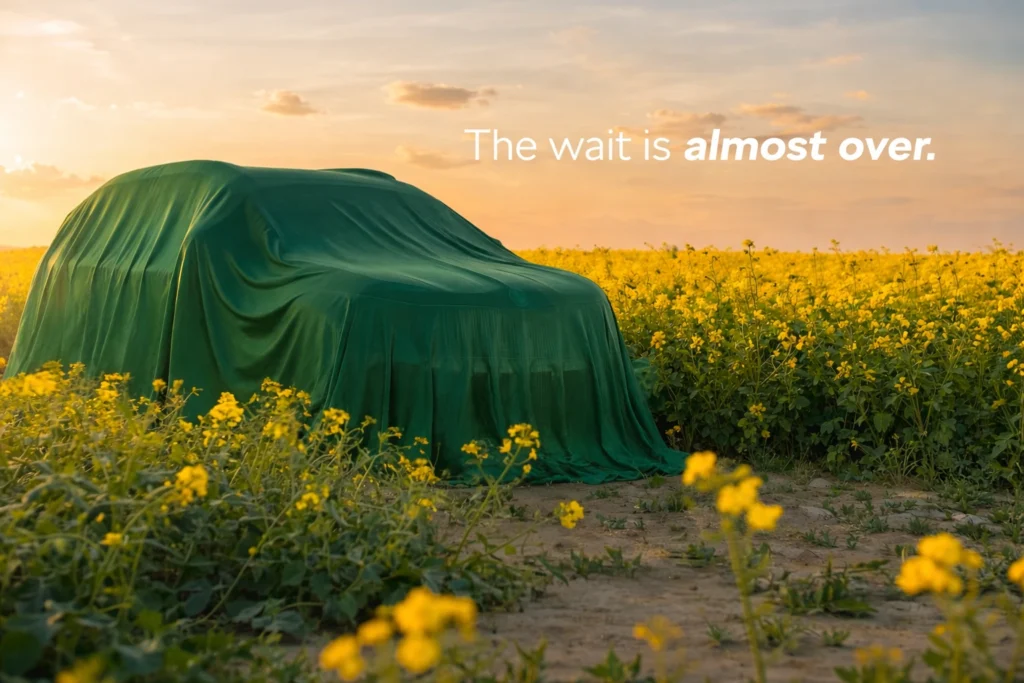
For urban SUV buyers who've been waiting for this moment, the wait is almost over.
Click here to go Tata official site for more details.