When Triumph pulled the wraps off the Triumph tracker 400, enthusiasts immediately recognized something special. This isn't just another entry-level motorcycle trying to play dress-up. It's a legitimate flat-track-inspired machine that channels British racing heritage while keeping modern riders firmly in mind.
A Flat Tracker Born from Racing DNA
Triumph's history in flat-track racing runs deeper than most realize. During the 1960s, British manufacturers dominated American dirt ovals, with Triumph and BSA collecting championship titles by the handful. The new model resurrects that golden era, bringing authentic flat-track aesthetics to everyday riders without the compromise of vintage machinery.
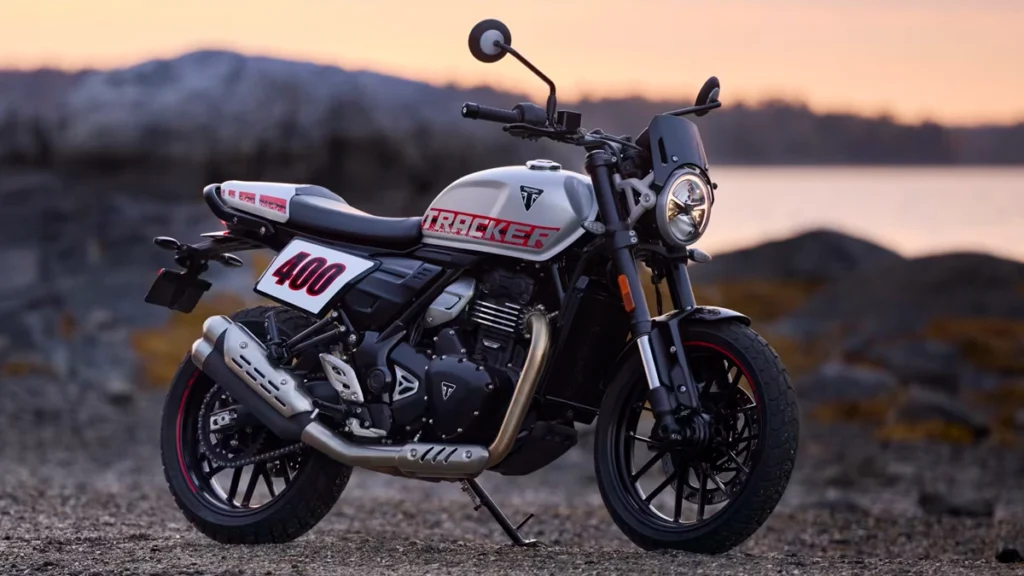
The design language speaks volumes before you even twist the throttle. That sculpted fuel tank features pronounced knee cutouts, just like proper race bikes. The number boards flanking both sides aren't decorative afterthoughts—they're intentional nods to competition DNA. A compact fly screen sits up front, protecting riders from wind blast while maintaining that stripped-down tracker aesthetic.
Three color options let buyers express their personality. Racing Yellow screams for attention with matching rim flashes. Phantom Black offers understated aggression. Aluminum Silver Gloss splits the difference, delivering classic appeal with modern execution. Each variant sports contrasting graphics that pop against the base color.

More Power, Higher Revs, Better Performance
What separates this motorcycle from its 400cc siblings goes beyond bodywork. Triumph engineers revised the 398cc liquid-cooled single-cylinder engine specifically for enhanced top-end performance. The result? An output of 41.4 horsepower arriving at 9,000 rpm—representing a five percent power increase over the Speed 400.
That torque figure of 27.7 pound-feet remains unchanged, but now peaks at 7,500 rpm instead of 6,500 rpm. The higher rev ceiling transforms the character completely. Where the Speed 400 felt content burbling around town, this tracker wants to rev. Extended valve lift duration and revised camshaft profiles enable sustained high-rpm operation without sacrificing reliability.
Despite the sportier tune, Triumph claims 80 percent of peak torque arrives as low as 3,000 rpm. That broad powerband means you won't constantly hunt for gears in urban environments. The six-speed transmission couples to a torque-assist clutch that reduces lever effort while preventing rear-wheel hop during aggressive downshifts.
Modern electronics keep everything manageable. Ride-by-wire throttle response feels instantaneous yet predictable. Switchable traction control monitors rear-wheel slip, intervening smoothly when grip disappears. ABS at both ends provides confidence-inspiring stopping power, especially valuable for newer riders transitioning from smaller bikes.
Chassis Geometry Built for Control
The frame might share DNA with the Speed 400, but Triumph tuned suspension and geometry specifically for this application. Up front, 43mm inverted big-piston forks deliver 140mm of travel. These non-adjustable units provide excellent small-bump compliance while maintaining composure when pushed hard through corners.
Out back, a preload-adjustable gas-charged monoshock offers 130mm of travel. While adjustment options remain limited, the baseline setup strikes a solid balance between comfort and control. Triumph clearly spent time dialing in spring rates and damping curves.
Wheel specifications follow flat-track tradition. Both 17-inch cast aluminum rims wear Pirelli MT60 RS rubber—dual-purpose tires that blend road manners with dirt-inspired tread patterns. The front features a 300mm disc gripped by a four-piston radial-mount caliper. A 230mm rear disc with single-piston floating caliper handles stopping duties at the back.
Ergonomics push riders forward into an attack position. Compared to the Speed 400, handlebars sit 134mm lower and 23mm wider. Footpegs move 86mm rearward and 27mm higher. This rider triangle encourages weight transfer during spirited riding while remaining tolerable for daily commuting. The 805mm seat height accommodates most riders, and the 381.4-pound wet weight keeps the bike flickable in tight spaces.
Despite aggressive styling, practicality didn't disappear. That seat cowl pops off, revealing a proper passenger perch underneath. The 13-liter fuel tank provides decent range between fill-ups. A USB-C charging port handles phone duties, while an analog speedometer pairs with an LCD tachometer displaying essential information.
Technology Wrapped in Classic Clothing
Modern riders expect contemporary features, even on retro-styled machines. Triumph delivers without disrupting the aesthetic. That round instrument cluster houses both analog and digital displays, providing speed, revs, gear position, and trip information at a glance.
The electronics suite punches above its weight class. Beyond basic ABS and traction control, the ride-by-wire system enables precise fuel mapping. Cables and wiring disappear into the frame, maintaining clean sightlines. Every component feels purposefully placed rather than tacked on during final assembly.
Build quality reflects Triumph's standards. Paint application looks flawless. Panel gaps remain tight and consistent. Fasteners and hardware use proper materials rather than cost-cutting alternatives. The two-year unlimited-mileage warranty demonstrates confidence in long-term durability.
Triumph Tracker 400 Variants and Pricing
| Market | Variant | Price | Availability |
|---|---|---|---|
| United States | Base | $5,995 USD | April 2026 |
| United Kingdom | Base | £5,745 GBP | April 2026 |
| Australia | Base | $9,990 AUD (Ride Away) | March 2026 |
| Germany | Base | €6,495 EUR | May 2026 |
| Austria | Base | €7,145 EUR | May 2026 |
| Italy | Base | €6,345 EUR | May 2026 |
| India | Base (Expected) | ₹2,25,000 - ₹2,40,000 INR | Unlikely/TBD |
The pricing strategy positions this bike perfectly within Triumph's 400cc family. It costs $500 more than the base Speed 400 but undercuts the Scrambler 400 XC by $900. For Americans specifically, that $5,995 starting point represents tremendous value in the entry-level market.

Who Should Consider This Bike?
New riders graduating from smaller machines will appreciate the accessible power delivery and manageable weight. The tracker's confidence-inspiring chassis makes learning advanced techniques less intimidating.
Experienced riders seeking lightweight fun will find plenty to love. Modern liter bikes deliver incredible performance but require full commitment. This single-cylinder tracker rewards smooth riding while forgiving occasional mistakes.
Urban commuters benefit from the compact dimensions and zippy nature. Threading through traffic becomes entertainment rather than tedious necessity. Parking in tight spaces presents zero challenge.
Style-conscious riders who refuse to compromise on aesthetics finally have their machine. Too many entry-level bikes look cheap despite decent performance. The tracker delivers genuinely attractive styling that turns heads consistently.
Budget-minded enthusiasts can finally access the Triumph brand without emptying savings accounts. Previous Modern Classics required serious financial commitment. The 400cc range brings British DNA within reach of normal people.
Potential Drawbacks Worth Considering
That aggressive riding position won't suit everyone. Riders with back issues or shorter inseams might struggle during extended rides. The forward weight bias means your wrists support more body mass than on standard configurations.
Highway cruising reveals the single-cylinder engine's limitations. While adequate at 70 mph, sustained high-speed running feels taxing. Wind protection remains minimal despite the fly screen. Long interstate hauls will leave you fatigued.
Limited suspension adjustability might frustrate riders who enjoy fine-tuning chassis behavior. You get preload adjustment at the rear and nothing up front. Riders far from average weight will notice the compromise.
Pillion accommodations exist but barely. That removable cowl reveals a small pad suitable for short trips only. Your passenger won't appreciate extended journeys on this perch.
Parts and service availability varies by location. Triumph's dealer network continues expanding but doesn't match Japanese manufacturers yet. Rural riders might face extended trips for routine maintenance.
How It Stacks Against Competitors
Royal Enfield's Guerrilla 450 offers similar flat-track vibes with slightly more displacement. The Indian manufacturer undercuts on price but trails on technology and refinement. The Triumph feels more modern throughout.
Husqvarna's Svartpilen 401 shares KTM 390 Duke underpinnings with sharper styling. Fractionally lighter and more powerful, it's currently cheaper due to dealer clearances following parent company financial troubles. Both bikes target similar buyers.
Honda's CB300R provides naked roadster performance in a compact package. Less power and different styling direction make direct comparison difficult. The Honda emphasizes practicality over heritage.
Yamaha's MT-03 delivers more power from its parallel-twin engine but lacks the Triumph's distinctive character. Japanese reliability battles British style in this matchup.
Looking Forward: The Tracker's Future
Triumph's 400cc family continues expanding rapidly. The Speed 400 and Scrambler variants proved tremendous success stories. Adding flat-track and café racer options demonstrates confidence in market demand.
Industry analysts predict strong sales, particularly in markets with learner-license restrictions. The A2-compliant power output opens doors across Europe. American riders increasingly embrace smaller-displacement machines as congestion worsens.
Accessories and aftermarket support should flourish quickly. Triumph already offers factory options including bar-end mirrors, bullet indicators, crash protection, and aesthetic upgrades. Third-party manufacturers will follow consumer demand.
Potential variations seem likely. A scrambler-style tracker hybrid could arrive eventually. Higher-spec suspension components might appear in premium trims. Limited-edition colorways typically follow successful launches.
The partnership with Bajaj ensures competitive pricing through Indian production. Manufacturing quality remains consistent with Triumph standards while keeping costs reasonable. This collaboration enables aggressive market positioning impossible with European assembly.
Final Thoughts
The Triumph tracker 400 delivers authenticity rarely found in entry-level motorcycles. It doesn't pretend to be something it's not. The flat-track styling reflects genuine racing heritage rather than marketing department fabrication.
Performance feels appropriate for the intended audience. New riders won't feel overwhelmed. Experienced pilots will enjoy the back-to-basics experience. Everyone appreciates the reasonable purchase price.
Quality exceeds expectations throughout. Paint, components, and assembly all demonstrate proper attention to detail. Nothing feels cheap or compromised. The British manufacturer's reputation remains intact.
Most importantly, the tracker proves motorcycling doesn't require enormous displacement or six-figure price tags. Genuine riding pleasure exists across the spectrum. Sometimes less delivers more.
To check more related news on TheCarTimes.com
For official details, you can also visit the Triumph Official Site.