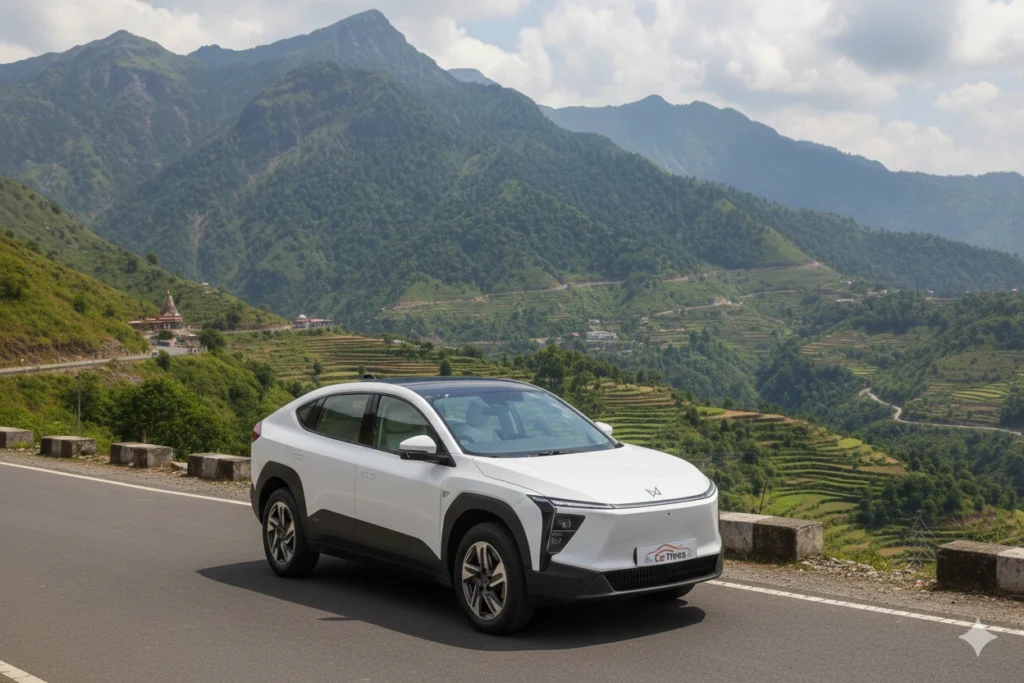
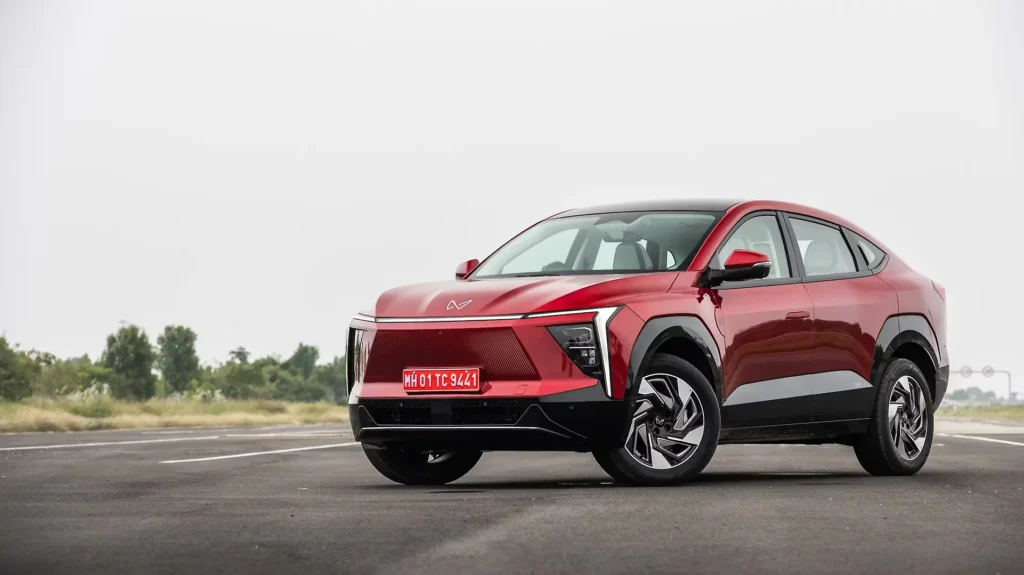
There's something fundamentally different about the Mahindra XEV 9e. Maybe it's the way it silently glides past traffic with 282 horses under the hood, or perhaps it's that triple-screen dashboard that makes you feel like you've stepped into a spaceship rather than an SUV. But talk to actual owners who've put thousands of kilometers on their odometers, and you'll discover something more profound: this is the electric SUV that's finally making Indians believe in the EV dream.
The Bold Gamble That's Paying Off
When Mahindra unveiled the XEV 9e at an introductory price starting from ₹21.90 lakh, skeptics raised eyebrows. Another Indian EV trying to compete with global giants? But within 70 days of launch, over 10,000 combined units of the XEV 9e and its sibling BE 6 had found homes. The numbers tell a story, but the real narrative lies in the experiences of those who've made the switch.
Take the couple from Faridabad who ditched their diesel XUV500 for the XEV 9e. Already owning a Mahindra XUV400 EV and Tata Tigor EV, they wanted something with serious range. What they discovered was a vehicle delivering between 450-500 km in real-world conditions—not the sanitized laboratory numbers that often disappoint, but actual highway and city driving with the AC running and music blasting.
Built Different: The INGLO Platform Advantage
The XEV 9e rides on Mahindra's purpose-built INGLO skateboard platform, and this isn't just marketing jargon. Unlike converted ICE platforms that compromise on space and efficiency, INGLO was designed from the ground up for electric propulsion. The result? A flat floor that maximizes cabin space, a 663-litre boot, and a surprising 150-litre frunk that actually proves useful for storing charging cables and shopping bags.
The platform enables the XEV 9e to achieve what matters most—a proper electric SUV experience without the compromises. One owner who's racked up nearly 20,000 km in just eight months specifically mentioned how the structural rigidity and low center of gravity transform mountain drives in places like Dalhousie and Dharamshala into effortless affairs.
The Range Reality Check: What You Actually Get
Let's address the elephant in every EV showroom—range anxiety. Mahindra claims 656 km for the 79 kWh variant. But marketing claims and highway realities often diverge dramatically. So what's the truth?
Real-world testing revealed 462.6 km in challenging Mumbai rainfall conditions with climate control active. But here's where it gets interesting. Multiple owners report consistently achieving 450-500 km ranges in mixed driving conditions. One couple on a range test from Meerut actually covered 501 km before the battery depleted—a figure that included city traffic, highway cruising, and multiple stops with the climate control running throughout.
The key insight? Drive style matters enormously. One owner candidly shared that aggressive driving with frequent rapid accelerations drops range to around 310 km. But cruise sensibly at 90-110 kmph, use the regenerative braking intelligently, and you'll consistently see 500+ km ranges. That's genuinely class-leading territory that makes the XEV 9e viable as your sole vehicle.
Tech That Actually Works (Unlike Some Others)
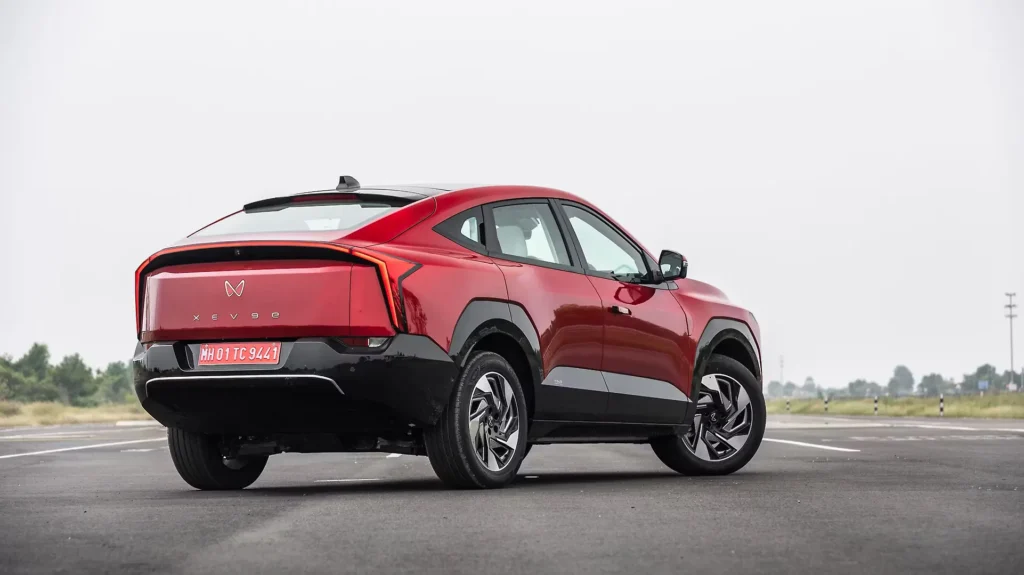
Walk up to the XEV 9e, and you're greeted by edge-to-edge LED DRLs that look lifted from a concept car. Slide into the cabin, and you're facing what Mahindra calls the "Wide Cinemascope"—three 12.3-inch screens stretching across the dashboard. It's the kind of setup that makes your tech-enthusiast friends jealous.
But here's the crucial difference: this isn't tech for tech's sake. The system runs on Qualcomm's automotive-grade Snapdragon 8295 chipset with 24 GB RAM—specifications that shame most laptops. The result is zero lag, instant responses, and an infotainment experience that actually enhances rather than frustrates your drive.
The VisionX augmented reality heads-up display deserves special mention. Initially dismissed by some owners as gimmicky, it's become a genuine favorite. The system projects navigation, speed, and ADAS alerts onto the windshield, appearing as if floating 10 meters ahead. The killer feature? It automatically adjusts based on your head and eye position through a roof-mounted camera. No more awkward head bobbing to see critical information.
ADAS That Understands India
Here's where the XEV 9e truly separates itself from competitors: its Advanced Driver Assistance System actually works on Indian roads. That's not a given. Many ADAS systems, calibrated for organized Western traffic, throw tantrums when faced with autorickshaws, jaywalking pedestrians, and motorbikes zipping through impossible gaps.
The XEV 9e's Level 2+ ADAS employs five radars and a vision camera, specifically calibrated to detect cattle, autorickshaws, and the chaotic traffic patterns that define Indian driving. Owner reports confirm the system handles real-world scenarios admirably. The adaptive cruise control maintains sensible following distances, the lane-keep assist doesn't fight you in imperfect lane markings, and the automatic emergency braking avoids false alarms that plague some competitors.
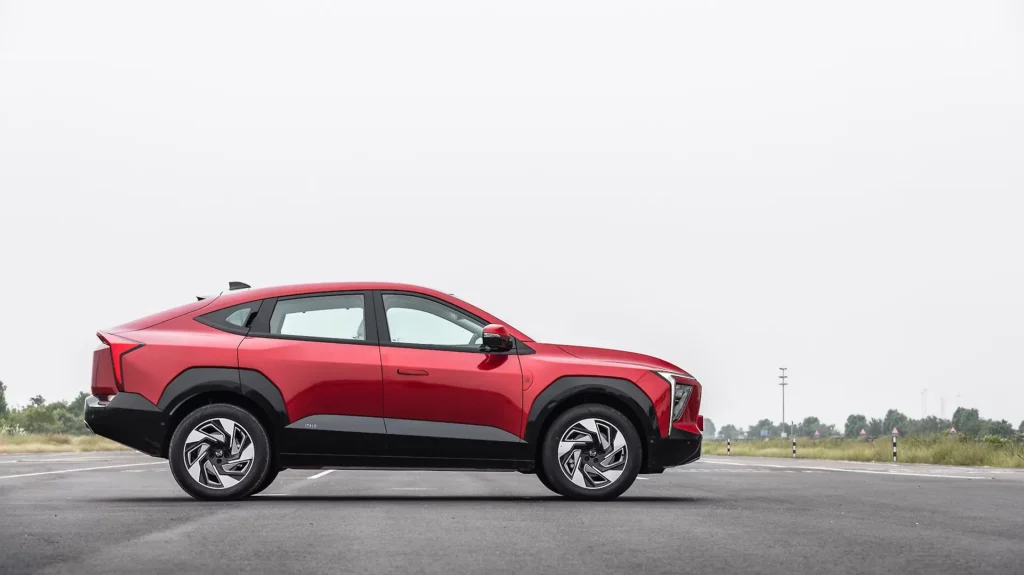
The top Pack Three variant adds four corner radars for even more precision. Features like auto lane change, blind spot detection, and the genuinely useful 360-degree camera with blind-view monitor make navigating tight city streets surprisingly stress-free for a vehicle stretching 4,789 mm.
Performance That Surprises
Numbers rarely tell the complete story, but in the XEV 9e's case, they're worth noting. The 79 kWh variant produces 286 PS and 380 Nm of torque, all channeled to the rear wheels. That translates to 0-100 kmph in 6.8 seconds—genuine sports car territory that catches unsuspecting challengers off guard at traffic lights.
But raw acceleration figures don't capture the complete picture. Multiple owners specifically praise the XEV 9e's ride quality, with several claiming it surpasses their previous Tata Hexa or even some German SUVs. The five-link independent rear suspension with intelligent semi-active dampers adapts to road conditions, smoothing out India's notoriously broken highways while maintaining composure through corners.
The brake-by-wire system with integrated electronic booster responds in 200 milliseconds—half the time of conventional systems. More importantly for daily driving, it enables aggressive regenerative braking that genuinely extends range by approximately 18 percent in real-world conditions.
The Sound of Luxury
Premium vehicles need premium audio, and Mahindra partnered with Harman Kardon to deliver it. The 16-speaker setup includes four tweeters, four low-frequency woofers, seven mid-frequency speakers strategically placed throughout the cabin, and a dedicated subwoofer. Tuned with Dolby Atmos and Harman's QuantumLogic Immersive technology, the system transforms the cabin into a concert hall.
But here's the unique twist: the XEV 9e features LiveYourMood themes created in collaboration with AR Rahman. Select Calm, Cozy, or Club mode, and the entire cabin—from ambient lighting to climate control to custom sonic signatures—adjusts to match. It's the kind of thoughtful integration that elevates everyday drives into experiences.
Charging: The Reality Check
All the range in the world means little if charging becomes a nightmare. The XEV 9e supports up to 175 kW DC fast charging, enabling 20-80 percent charges in just 20 minutes with compatible infrastructure. That's airport coffee break territory.
For home charging, the standard 7.2 kW AC charger delivers a full charge overnight, while the optional 11.2 kW unit cuts that time significantly. Multiple owners report home charging costs hovering around ₹1.25 per kilometer—a fraction of petrol or diesel expenses. Public DC fast charging ranges from ₹2-4 per kilometer depending on the network.
Real owner experiences reveal charging infrastructure, while improving, still requires planning for longer journeys. But as one owner who's covered 19,000 km notes: with proper trip planning and identifying charging stations in advance, range anxiety becomes manageable even on extended road trips.
Safety Without Compromise
The XEV 9e earned a 5-star Bharat NCAP rating, validating Mahindra's safety-first approach. Seven airbags come standard, along with electronic stability control, traction control, and ISOFIX child seat mounts. The battery pack carries a lifetime warranty for the first owner if privately registered—a confidence-inspiring commitment that addresses one of EVs' biggest ownership concerns.
Advanced features include a driver drowsiness monitoring system (which also doubles as a selfie camera for video calls), Secure360 recording that captures and stores footage from all cameras when parked, and an innovative Autopark system using 12 ultrasonic sensors for perpendicular, angular, and parallel parking maneuvers.
The Variants Breakdown: Which Pack Makes Sense?
Mahindra offers the XEV 9e in four primary variants: Pack One, Pack Two, Pack Three Select, and Pack Three. The first three variants pair with the 59 kWh battery (542 km claimed range), while Pack Three tops out with the 79 kWh unit (656 km claimed range).
Pack One covers the essentials: the triple-screen setup, Level 2 ADAS, 16-speaker Harman Kardon audio, and all the safety tech. It's genuinely well-equipped and starts at an accessible ₹21.90 lakh.
Pack Two adds the infinity panoramic sunroof, enhanced ADAS features, and premium cabin materials. For most buyers, Pack Three Select at ₹27.90 lakh hits the sweet spot—delivering the premium experience without the top-tier price.
Pack Three justifies its ₹30.50 lakh asking price with the larger battery, four additional corner ADAS radars, adaptive suspension, and features like auto lane change and evasive steering assist. If maximum range matters or you want every conceivable feature, it's worth the premium.
Living With It: The Ownership Reality
Beyond specifications and test drive impressions lies the ownership experience—the daily reality of living with the XEV 9e. Owner forums and reviews paint a surprisingly positive picture, with most praising the vehicle's comfort, technology integration, and overall refinement.
Common praises include the spacious cabin with genuine comfort for three adults in the rear, the intuitive infotainment system that works reliably, and the ride quality that handles India's challenging roads with aplomb. The ventilated seats prove genuinely effective, and the automatic climate control maintains cabin temperatures efficiently without dramatic range impacts.
Some owners note minor niggles: the glossy black dashboard panels attract fingerprints and dust, the thick C-pillars restrict rear visibility despite the cameras, and the high floor height affects ingress and egress, particularly for older passengers. The 663-litre boot, while adequate, features a high loading lip that makes lifting heavy luggage slightly cumbersome.
Service experiences vary by dealership, though most report reasonable costs compared to ICE vehicles. One owner specifically mentioned their previous XUV500 consistently returned with ₹20,000 service bills, while the XEV 9e costs a fraction of that amount.
The Competition Check: How Does It Stack Up?
The XEV 9e enters a suddenly crowded segment dominated by the Tata Harrier EV and BYD Atto 3. On paper, the Harrier EV undercuts the XEV 9e slightly at ₹21.49 lakh with a comparable 627 km claimed range. The BYD Atto 3, while premium, costs significantly more (₹24.99-33.99 lakh) with less range (468-521 km).
But specifications rarely tell the complete story. The XEV 9e offers superior technology integration, a more comprehensive ADAS suite calibrated for Indian conditions, and a cabin that genuinely feels premium without trying too hard. Owner sentiment strongly favors the Mahindra for its born-electric design, superior range efficiency, and the intangibles like AR Rahman's audio themes that create a more holistic experience.
The Harrier EV appeals to those prioritizing Tata's established service network and familiar brand comfort. The Atto 3 attracts buyers seeking international brand credentials and exceptional build quality. But for tech enthusiasts wanting the most comprehensive package at a competitive price, the XEV 9e consistently emerges as the recommended choice.
The Verdict: Is It Worth Your Money?
At ₹21.90-30.50 lakh, the Mahindra XEV 9e isn't cheap. But examine what you're getting: genuine 450-500 km real-world range, technology rivaling vehicles costing twice as much, segment-leading features like the triple-screen setup and AR HUD, and performance that embarrasses many ICE vehicles costing considerably more.
More importantly, it delivers on the EV promise without the usual compromises. The charging infrastructure continues improving, and with home charging, most owners rarely use public networks for daily driving. The lifetime battery warranty addresses the biggest ownership concern, while the comprehensive feature set ensures the vehicle won't feel outdated quickly.
Is it perfect? No. Some niggles exist, service network consistency could improve, and yes, you'll need to plan longer journeys more carefully than with an ICE vehicle. But talk to actual owners, especially those who've put serious kilometers on their XEV 9e, and the consensus is clear: this is the electric SUV that's finally ready for mainstream India.
The Mahindra XEV 9e represents more than just another EV launch. It signals Indian manufacturers genuinely competing on technology, design, and execution—not just price. For buyers ready to embrace electric mobility without sacrificing premium features, performance, or practicality, the XEV 9e makes a compelling case. And judging by owner satisfaction and the waiting lists at dealerships, that case is resonating loud and clear.
For those who want to compare it with other cars, check out our detailed car reviews and news section for more insights.
For official details, you can also visit the Mahindra EV website.
Official Mahindra XEV 9e Specifications - Mahindra Electric SUV Official Website